
Hildene Home Study
Discovering Pollinators Series Registration opens August 17th.
One out of every three bites of food we eat is made possible by pollinators. In this four-part series, students investigate how pollination happens, discover the many creatures that make it possible, and explore why pollinators are essential to healthy ecosystems and our food supply.

Pollinators, Plants, and Habitats
September 8th
10:00 am - 11:30 am
Students explore the role of pollinators in agriculture and natural ecosystems while learning how to protect pollinator habitats. Through hands-on activities, they identify flower parts, investigate pollinator characteristics, and observe pollinator–plant interactions to better understand pollination, biodiversity, and conservation.
BIG IDEAS: Interdependence; Cycles; Structure and Function. NGSS
Apple Trees: Flowers to Fruit to Cider
September 22nd
10:00 am - 11:30 am
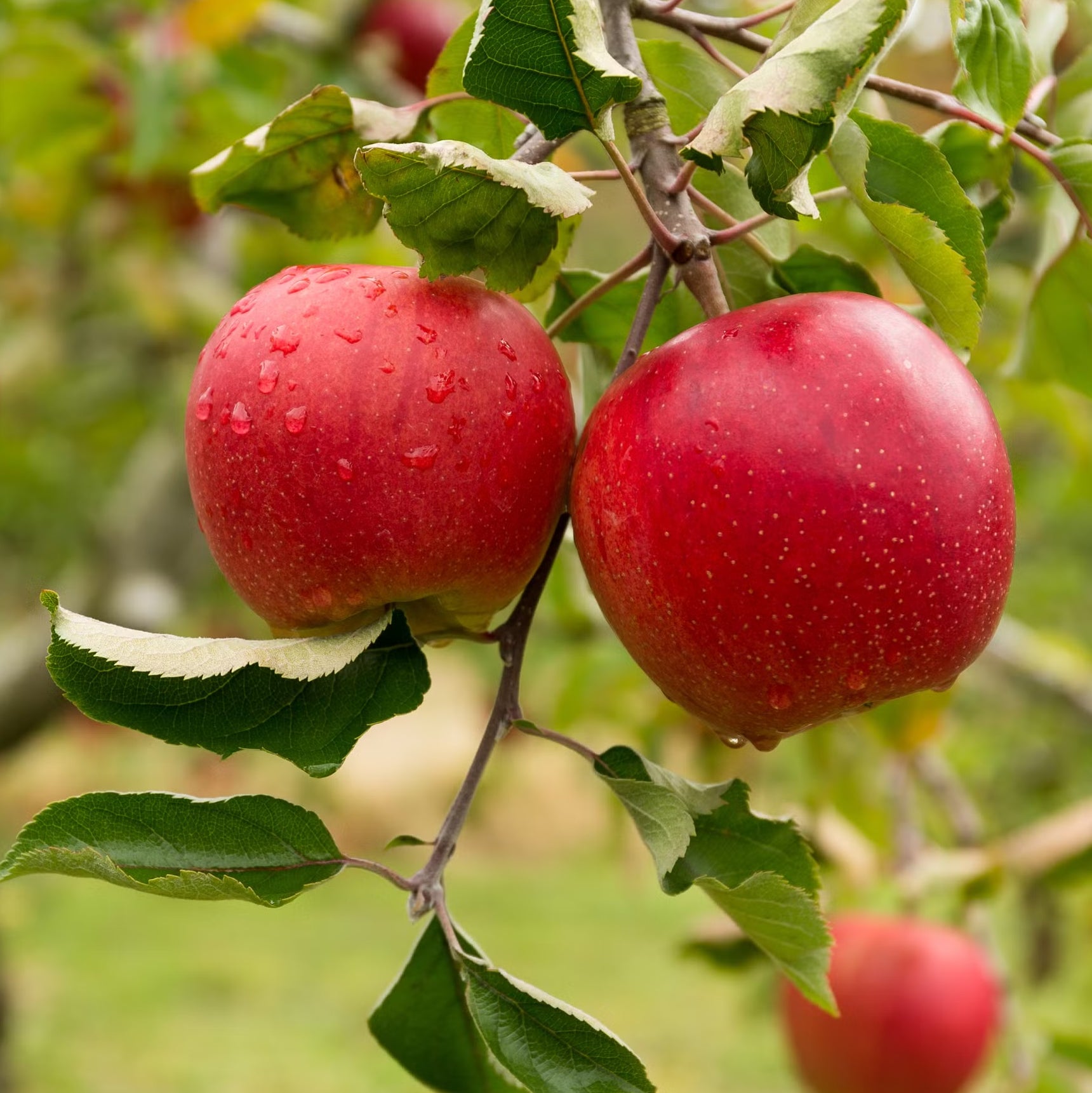
Pollinators play an essential role in apple and fruit production. Using apples picked from Hildene’s orchard, students explore the process of pollination before washing and pressing fruit into fresh cider. After the cider is pasteurized, they sample the finished product while discovering how pollinators make each harvest possible.
BIG IDEAS: Interdependence; Cycles; Structure and Function. NGSS

Butterflies and Moths
October 6th
10:00 am - 11:30 am
Butterflies and moths are among the most recognizable pollinators. Students explore their similarities and differences while investigating their life cycles, anatomy, and unique adaptations that help them find nectar and pollinate plants. Focusing on the mighty monarch butterfly, students discover its incredible annual migration to the mountains of Central Mexico and learn about conservation efforts to support its declining populations. The adventure ends with students tagging and releasing a monarch as it begins its amazing fall journey south.
BIG IDEAS: Interdependence; Cycles; Structure and Function. NGSS

Inside the Hive
October 20th
10:00am - 11:30am
Bees are considered some of the most important pollinators. Students explore two social bee species: bumble bees and honey bees. They investigate what it means to be social, how these bees differ, how they survive the winter, and how their life cycles compare. Through hands-on activities, including investigation, pantomime, and observations of honey bees in an observation hive, students discover the fascinating world of these essential pollinators.
BIG IDEAS: Interdependence; Cycles; Structure and Function. NGSS